BPW Cameroon’s First National Congress Puts Women’s Economic Power on the Agenda
Cameroon’s women in business need more than encouragement. They need access to finance, professional networks, skills development and a stronger voice in the institutions that shape economic opportunities.
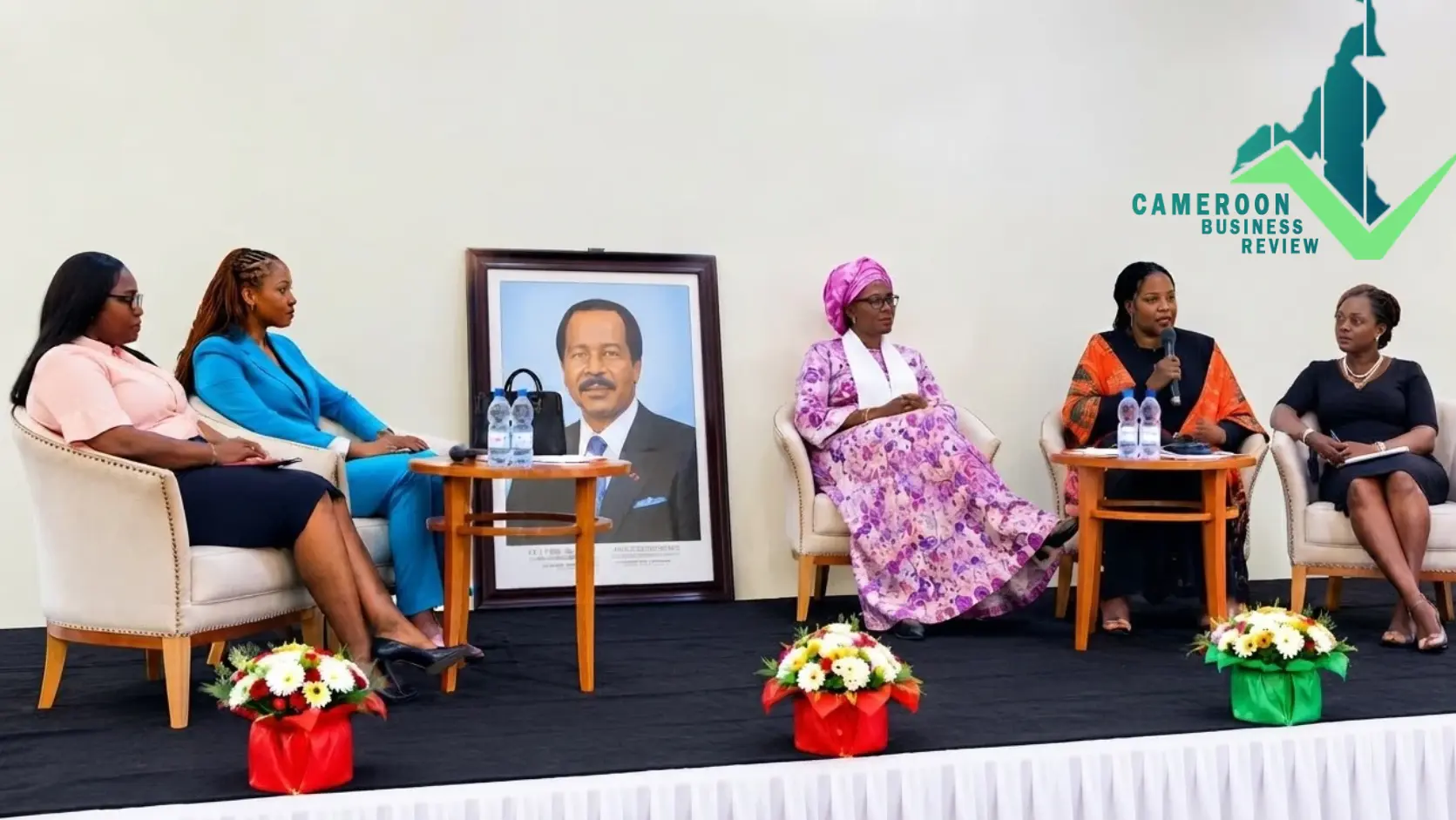
Those issues are at the centre of the first National Congress of Business and Professional Women (BPW Cameroon), which opened in Douala on October 9 and runs through October 10, 2026.
Ahead of the gathering, Nicole Mpouli, Coordinator of BPW Cameroon and Central Africa activities and Vice President of BPW USA, spoke with CRTVweb about the significance of the event and the organisation’s ambitions. The congress brings together women from different professional backgrounds at a time when the network is seeking to strengthen its national structure and expand its reach.
The meeting is taking place at the Sawa Hotel in Douala, with nearly 200 participants expected, according to reporting ahead of the event. Beyond the speeches and networking sessions, one of its central objectives is to establish a national federation capable of coordinating the work of BPW clubs across Cameroon.
That organisational change could determine how effectively the network supports women beyond individual meetings and events.
From individual clubs to a national network
BPW Cameroon has been operating through five clubs. The move towards a national federation is intended to bring their activities under a more coordinated structure, strengthen representation and make it easier to develop partnerships.
A national structure can give members a clearer channel through which to share expertise, organise professional development and engage with public and private institutions. It can also help the organisation speak with a more unified voice when addressing barriers that affect women across different sectors.
The congress includes internal proceedings devoted to the federation’s statutes and the election of a national executive. These decisions matter because the effectiveness of the structure will depend on more than its formal establishment. Members will need clear responsibilities, a practical programme of activities and a way to measure whether the organisation is delivering value.
For women running small businesses, working in professional services or seeking leadership positions, the benefit of a network ultimately comes down to what it helps them do: find customers, improve their skills, secure financing, identify mentors or gain access to opportunities that would otherwise be difficult to reach.
The business barriers behind women’s empowerment
Women’s economic empowerment is often discussed in broad terms, but the challenges facing an entrepreneur are specific.
A business owner may have a viable product but lack the collateral required for a loan. A professional may have the necessary qualifications but limited access to mentors or decision-makers. A young woman with a business idea may struggle to find reliable information about registration, financial management, marketing or available support programmes.
These barriers can limit growth even when women have the skills and motivation to build successful businesses.
The BPW Cameroon congress is expected to address access to financing, professional development and the obstacles women encounter in entrepreneurship and employment. The discussions also include women’s protection and the role of younger generations in leadership.
For the network, the challenge will be connecting these conversations to practical support. Training is more useful when participants can apply it to their businesses. Financial education is more valuable when it helps entrepreneurs understand loan conditions, prepare records and approach appropriate financing institutions. Networking has greater value when it leads to partnerships, referrals and sustained professional relationships.
The same principle applies to engagement with public institutions and private-sector partners. A conference can bring the relevant people into one room, but the longer-term test is whether those connections produce opportunities after the event ends.
Making room for the next generation
Young women are another important part of BPW Cameroon’s plans. The organisation’s Young BPW category includes members up to 35 years old, and the congress places emphasis on youth leadership and entrepreneurship.
The connection between experienced professionals and younger members can be useful in both directions. Younger women may bring fresh ideas, familiarity with digital tools and new approaches to reaching customers. More experienced members can share knowledge about managing teams, negotiating contracts, handling setbacks and building professional credibility.
For early-career women, access to someone who has already navigated these decisions can make professional development less isolating. For entrepreneurs, a trusted network can provide introductions and feedback that are difficult to obtain through online connections alone.
The congress is also set to examine how new technologies, including artificial intelligence, can be used in professional activities and businesses. That discussion is relevant to women-led enterprises seeking to improve customer service, marketing, administration and productivity without necessarily having the resources of larger companies.
Technology, however, is not a substitute for access to markets, reliable infrastructure or sound business management. Its value depends on whether women can identify suitable tools, use them effectively and turn the time or cost savings into business results.
A connection to a wider international network
BPW is an international network focused on women’s professional development, leadership and economic participation. Its presence across countries offers members opportunities to learn from professionals working in different markets and industries.
For BPW Cameroon, stronger national coordination could make international links more useful locally. A well-organised federation can identify members’ training needs, develop partnerships and share relevant opportunities across its clubs.
The congress is also part of the organisation’s preparations for a regional BPW Africa Central congress expected to take place in Cameroon in February 2028, according to reports published before the event.
That future gathering gives the national federation a longer-term reason to strengthen its governance and activities now. It also creates an opportunity to position Cameroonian women professionals within wider conversations about entrepreneurship, employment and leadership across the region.
International connections are most valuable when they lead to practical exchanges: learning how businesses in other markets solve similar problems, identifying potential partners and adapting useful approaches to local conditions. Simply being part of a global network does not guarantee those outcomes; members need the structures and follow-up to make them possible.
What should happen after Douala?
The first national congress gives BPW Cameroon a platform to define its direction. The work after the gathering will show whether that direction can be sustained.
Several priorities will matter: establishing a functioning national executive, setting a realistic programme for the clubs, maintaining regular professional-development activities and building relationships with institutions that can help women access financing, training and markets.
The organisation will also need to make participation worthwhile for women whose circumstances differ. A senior executive, a young graduate, a salaried professional and a woman operating a small business may not need the same support. A strong network should create room for those differences rather than assume that one programme will serve everyone.
Results will be easier to assess if BPW Cameroon tracks tangible outcomes, such as the number of members receiving training, mentoring relationships established, business partnerships developed and entrepreneurs connected to appropriate financing opportunities.
These measures would give members and partners a clearer picture of the federation’s contribution beyond attendance figures and public statements.
Final Thoughts
Nicole Mpouli’s interview with CRTVweb placed the significance of BPW Cameroon’s first national congress in the context of the network’s ambitions. The event is an opportunity to organise the movement nationally, strengthen professional relationships and bring greater attention to the barriers women face in business and employment.
But the lasting value of the congress will not be determined by the event alone. It will depend on whether BPW Cameroon can turn its new structure and wider network into support that women can use in their working lives.
For Cameroon’s women entrepreneurs and professionals, that is the outcome worth watching: not simply more conversations about leadership, but better access to the relationships, skills and resources that help women lead, earn and grow.